Why we won't call anything “organic” yet
In India, organic is a legal claim backed by certification that takes years. Until we have it, we'll do something more useful: show you every input we use.
On this page
The fastest way to sell vegetables in an Indian city is to put the word “organic” on them. It's also one of the most stretched words in food. We're going to avoid it until we can back it up. Here's why, and what we'll do instead.
Organic is a certification, not a feeling
In India, calling food organic is a regulated claim. Under the Food Safety and Standards (Organic Foods) Regulations, 2017, food sold as organic has to be certified under one of two systems:
- NPOP, the National Programme for Organic Production. A third-party certification system run under the Ministry of Commerce, used for exports and much of the domestic market. An accredited certification body inspects the farm, its inputs and its records every year.
- PGS-India, the Participatory Guarantee System. A group-based system run under the Ministry of Agriculture for the domestic market, where farmers in a local group inspect and vouch for one another.
Certified organic food can carry FSSAI's Jaivik Bharat logo. There's a narrow exemption for very small producers selling directly to consumers, but a platform serving hundreds of families isn't that, and shouldn't pretend to be.
Why it takes years
Land doesn't become organic the day you stop spraying. Under NPOP, a conversion period applies before produce can be sold as organic: typically two years before sowing for annual crops like vegetables, and three years before the first harvest for perennials like fruit trees. Certifiers can adjust that based on a field's documented history. Either way, a farm we plan to plant in February 2027 couldn't honestly call its fruit organic for years.
What we'll do instead: show everything
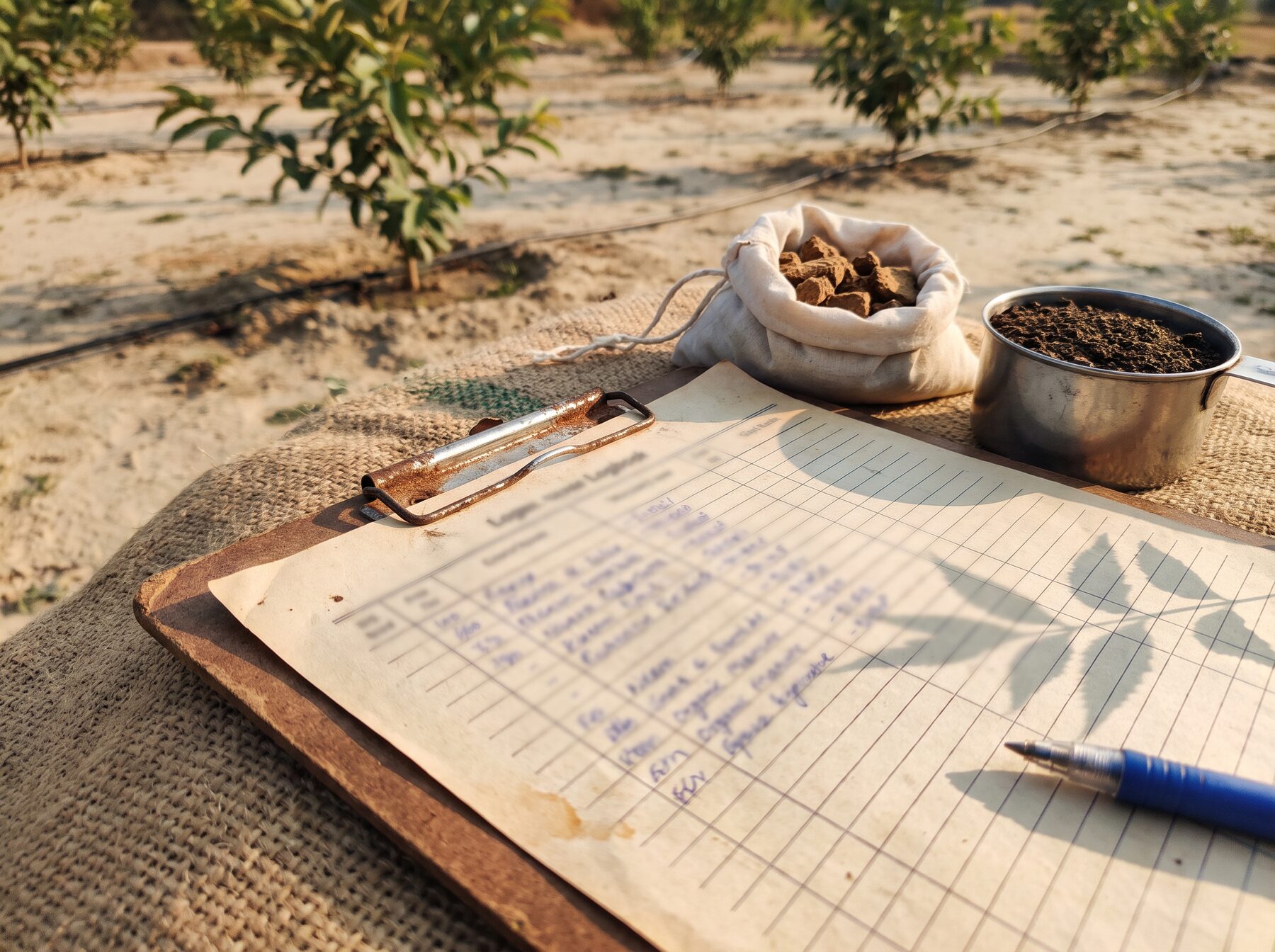
Instead of a label, you'll get the record. Every input that goes onto a UGAANA farm will be logged against the block it went on, with the date and the reason:
- Nutrition: compost and farmyard manure, and any fertiliser given through the drip, with product names and doses.
- Plant protection: every spray, whether a neem-based product, a biological control or, when a problem demands it, a registered conventional product at its label dose, with the waiting period before harvest.
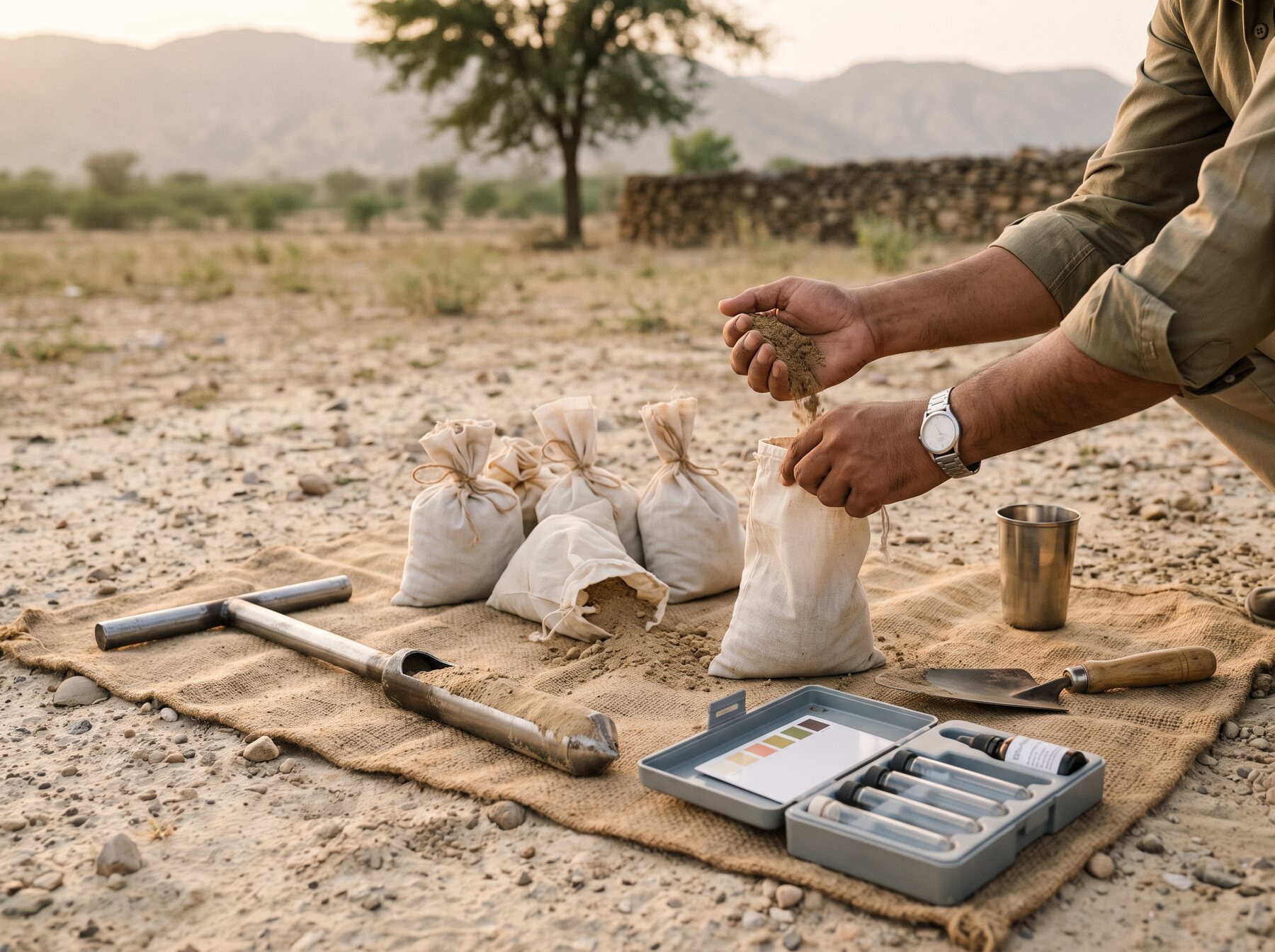
- Water: irrigation logs, and the lab results for the water itself.
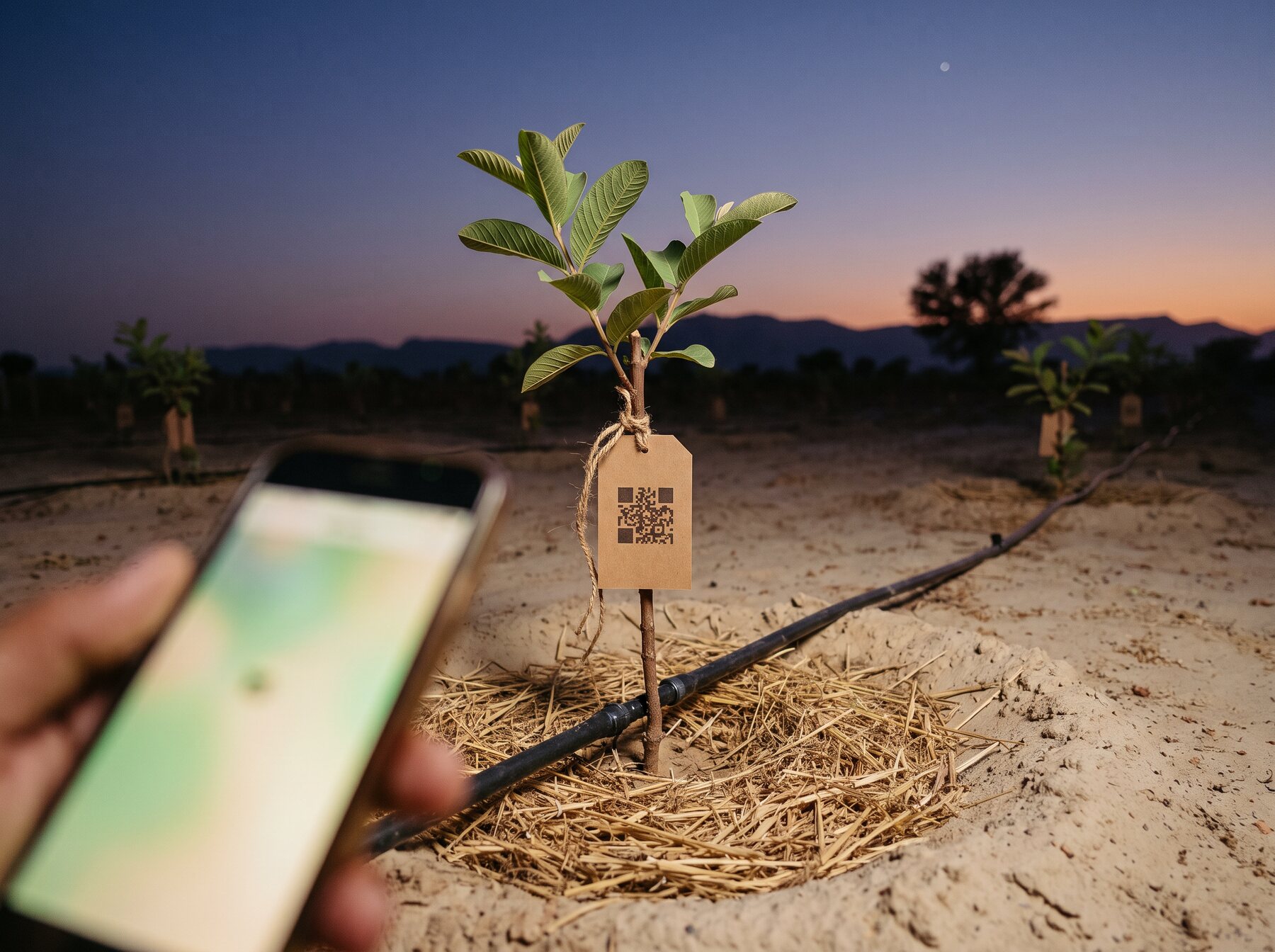
You'll see those logs in your dashboard, next to your plants' timelines. We think that's more useful than a single word, and it lets you decide for yourself.
We'd rather show you a spray log than a sticker.
How we plan to grow
We'll farm the way good horticulturists across India do. Build soil organic matter with compost and mulch. Choose varieties and rootstocks that suit the climate, so plants start strong. Use traps, biological controls and neem-based products first, and act early. Where a pest or disease genuinely threatens a crop, we may use a registered chemical control, in line with its label and its safe waiting period before harvest, and we'll log it.
Growing crops only where their climate belongs helps here too. A pomegranate in a dry climate faces far less bacterial blight than one in a humid one, and a crop in the right place simply needs fewer interventions. Why climate comes first.
Questions to ask anyone who says “organic”
Whether you're buying from us one day, a weekly box scheme or a stall at a farmers' market, these questions sort a real claim from a hopeful one:
- Certified under which system, NPOP or PGS-India? Either is legitimate; “organic by nature” isn't a system.
- Can I see the certificate, and does it cover this crop and this farm? Certificates list the operator, the land and the products in scope.
- Is the farm certified, or still in conversion? Produce from land in conversion can't be sold as organic.
- What do you use for nutrition and pest control? A good grower will tell you exactly, and won't mind being asked.
Will we ever get certified?
Perhaps, for some crops. Certification could make sense for our vegetable and herb beds once the farm is established, and if we start the conversion clock, we'll say so the day we do. Until a certificate exists, you won't see the word on anything we grow: not in our marketing, not on our crates, not in this journal.
To see how inputs and inspections will show up for your plants, read how the plant passport works, or see what we plan to grow first on the Jaipur farm.