Planting day, 13 February 2027: a preview
If enough families reserve and the right land is signed, our first saplings go into the ground next February. Here's what we're planning for the day, and everything that has to happen first.
On this page
Planting day is the moment UGAANA stops being a plan and becomes a farm. We've pencilled it in for Saturday 13 February 2027, with more family slots on 14, 20 and 21 February. This post is a preview: what has to happen before then, what the day itself will look like, and why February.
Why February
Around Jaipur there are two good windows to plant fruit trees: the monsoon, from July to September, and late winter as the cold eases. We're choosing late winter. By mid-February, frost risk has largely passed, the soil is starting to warm, and young roots get about three months of mild weather before May's heat. Because the farm will be on drip, we don't need to wait for rain. Herbs and summer vegetables sown at the same time will be ready within weeks.
The weeks before
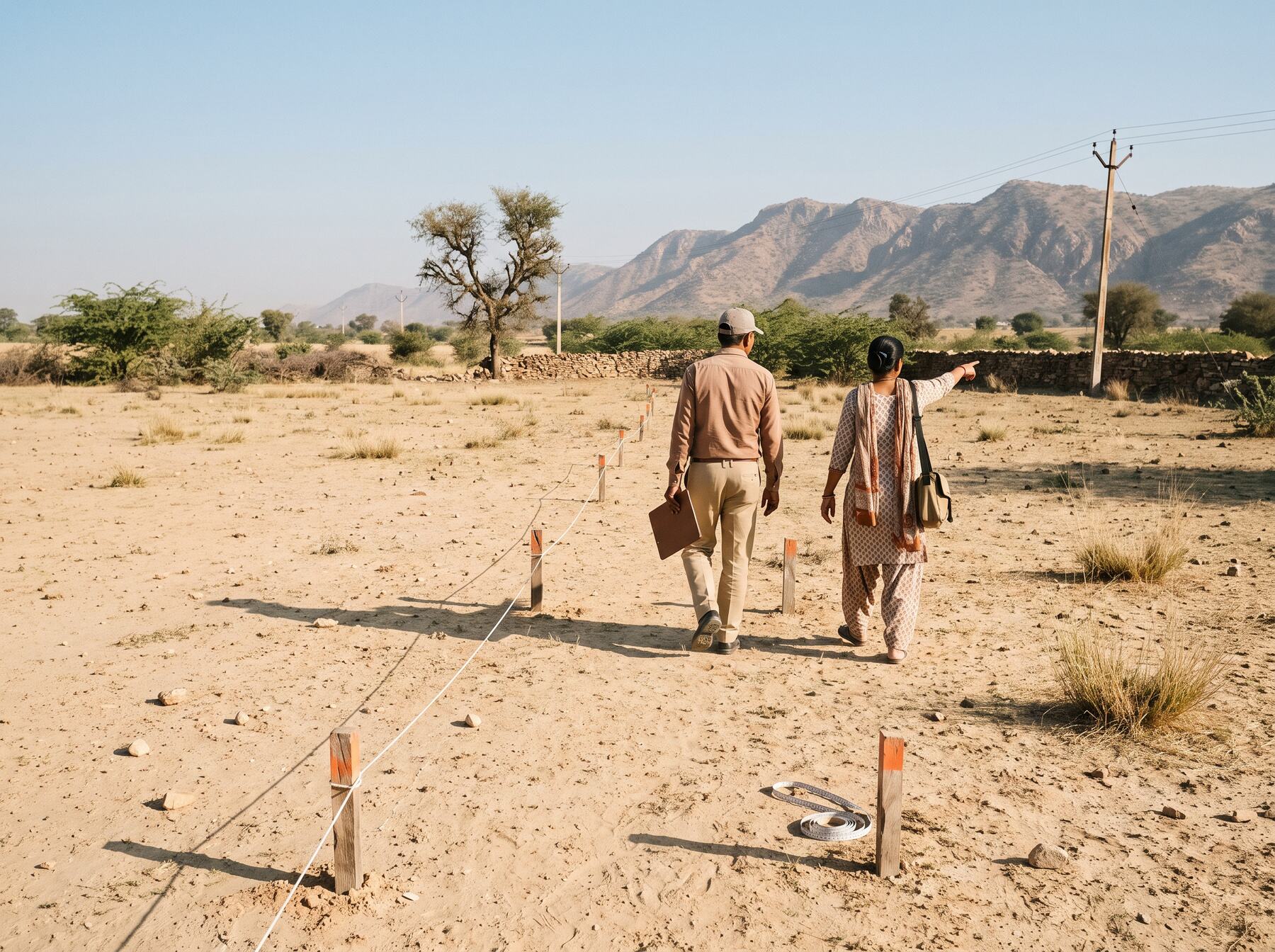
- November: sign the lease on the plot that passes our soil and water tests. The checklist.
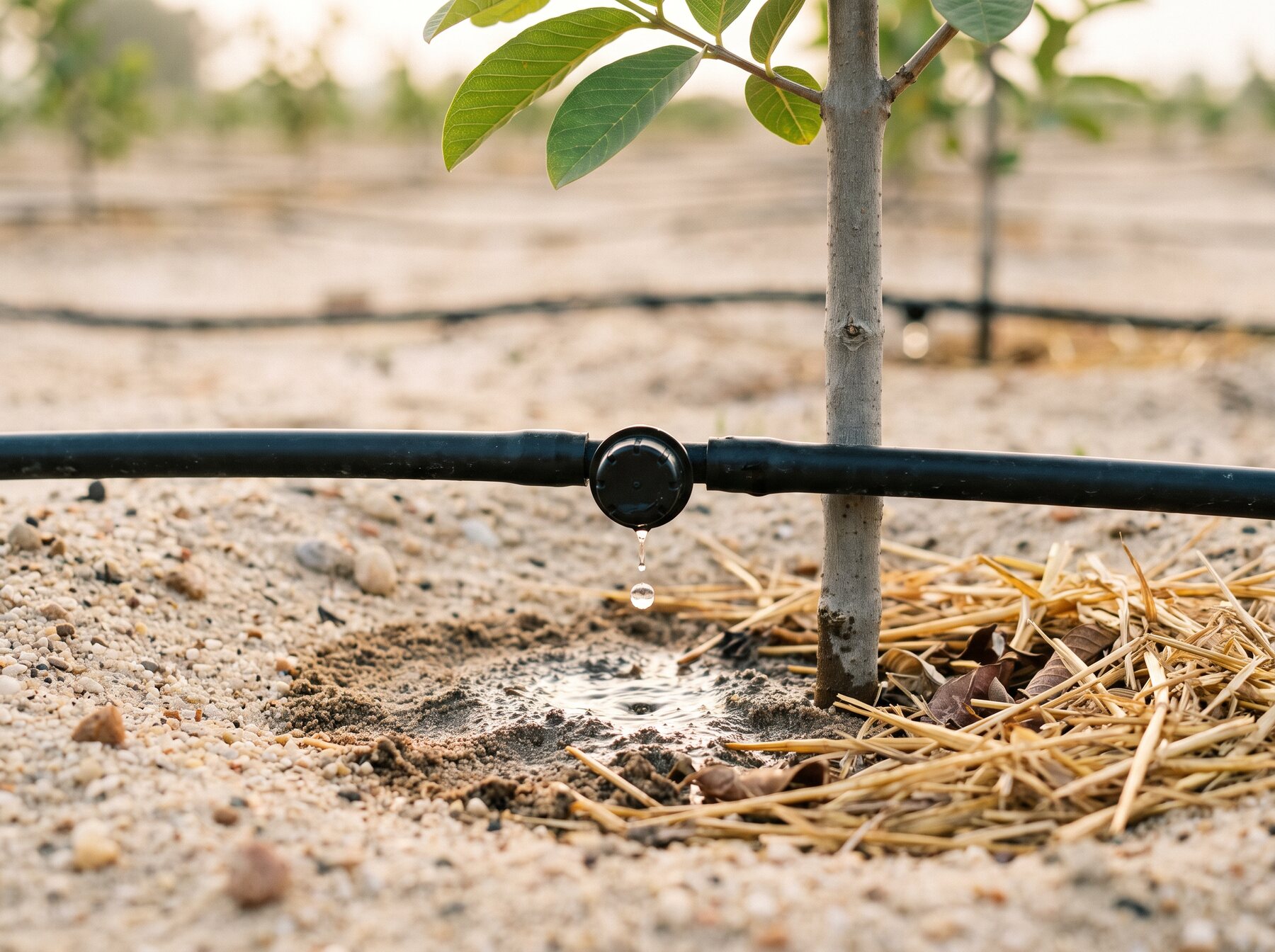
- December: fencing, drip lines and fertigation, rainwater pits and a small nursery area.
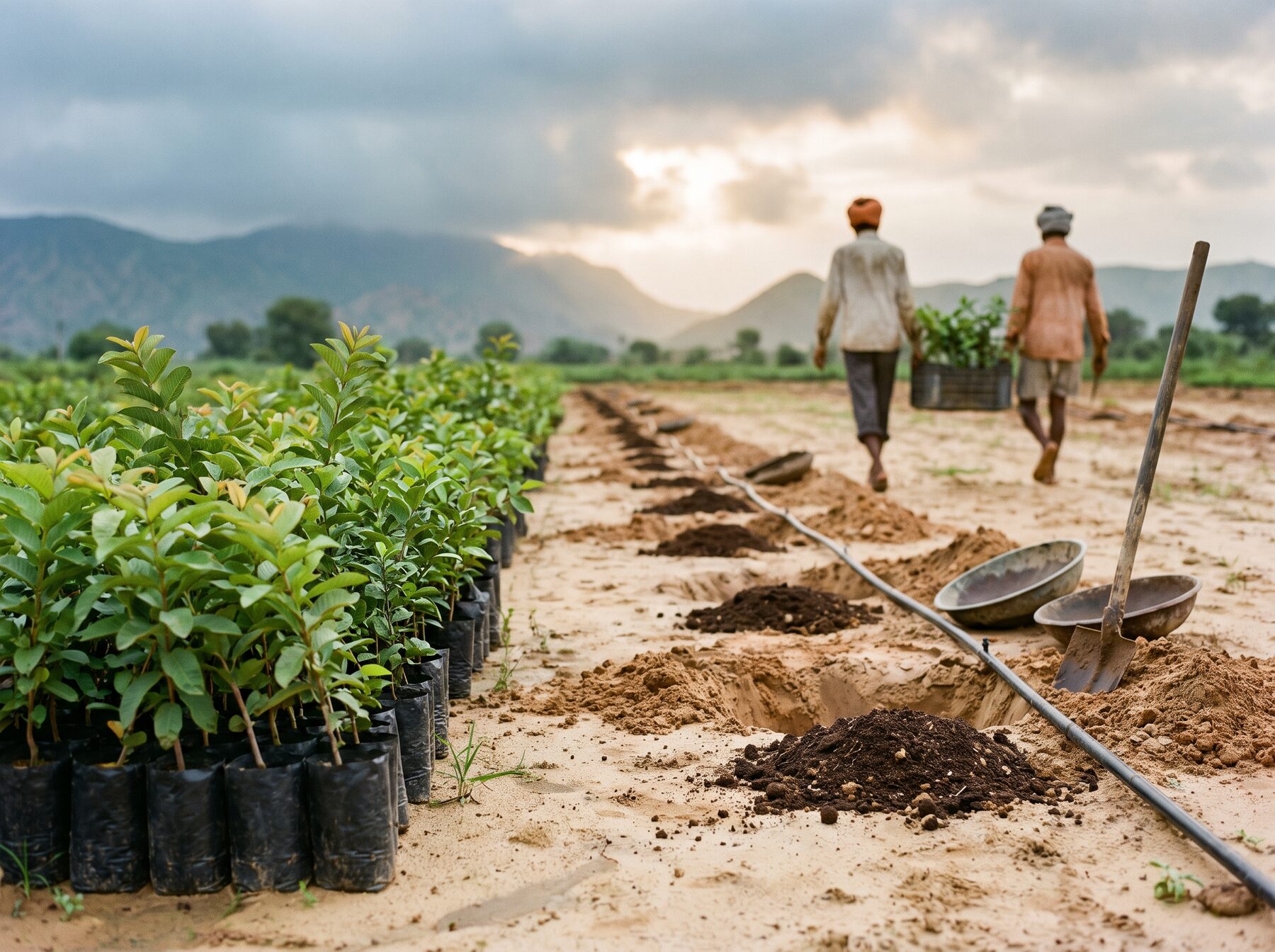
- Early January: mark out the planting layout from the soil results, then dig the tree pits and leave them open to the sun for a few weeks, which helps dry out soil pests.
- January: saplings arrive from the nurseries and harden off in the shade, getting used to sun and wind.
- Early February: fill each pit with topsoil mixed with well-rotted compost, and water it in so it settles before planting.
The day itself
Each reserving family will get a planting slot on one of the four days. Here's what we're planning:
- A short welcome from the farm team: how the farm is laid out, what's planted where, and why.
- Planting your own saplings. Our team will show you how to set a sapling at the right depth, keep the graft union above the soil, firm it in and water it. You plant; they check.
- Tying on the QR tag. Each plant gets its tag, and its plant passport begins with a photo of your family planting it.
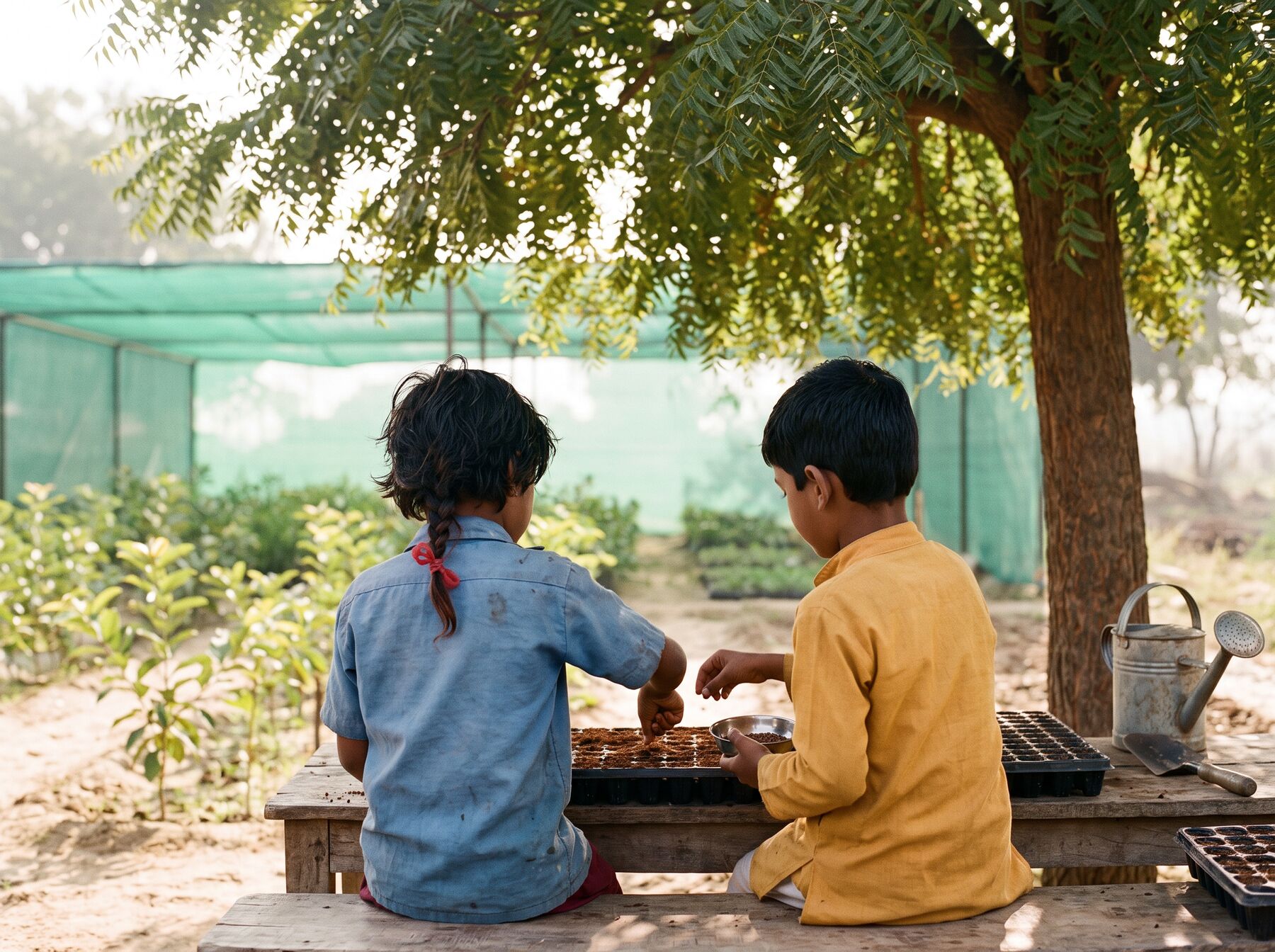
- Herb and vegetable beds. Children can sow coriander and methi in beds that should be ready to harvest in about six weeks.
- Lunch in the orchard, simple and local.
Families who can't come will still get a planting photo and their plant passports; our team will plant for them.
Why we want families to plant
Our team could plant faster on its own. But a sapling you've set in the ground yourself is a different thing from one you've read about. It ties your family to a place in a way no dashboard can. It also means you meet the people who will care for your plants for years: the farm manager, the horticulturist and the farm team. You'll see how carefully good orchard work is done, and they'll know whose trees they're tending.
What to bring: hats, closed shoes, water bottles and clothes nobody minds getting muddy. We'll have gloves, child-sized tools, shade and drinking water on site. Our visit and safety policy.
Every orchard in India began with someone kneeling in the soil on an ordinary morning. We'd like that morning to be yours.
What happens after
The first weeks after planting are all about roots. We'll water little and often through the drip, check every sapling weekly and replace any that fail. The first herbs are expected in March and vegetables from April. Then comes the first Jaipur summer, the real test of a young orchard. Our plan for the heat.
Guava is expected to fruit in winter 2028. Pomegranate, kagzi lime and amla take longer, between about two and four years. Your dashboard will show each plant's progress, stage by stage, all the way there.
How to be there
Planting day is for families whose Jaipur crops go ahead. If you'd like to be one of them, build your farm and send a free reservation request. We'll call you, and we'll confirm your planting slot once your crops cross their threshold. If you'd rather meet us first, come to an open day. See visits.