Where food comes from: what children learn on a farm
Many city children have never seen a guava tree in fruit or a coriander seed sprout. Here's what we're planning for families and schools, and why reconnecting children with the land matters more than it sounds.
On this page
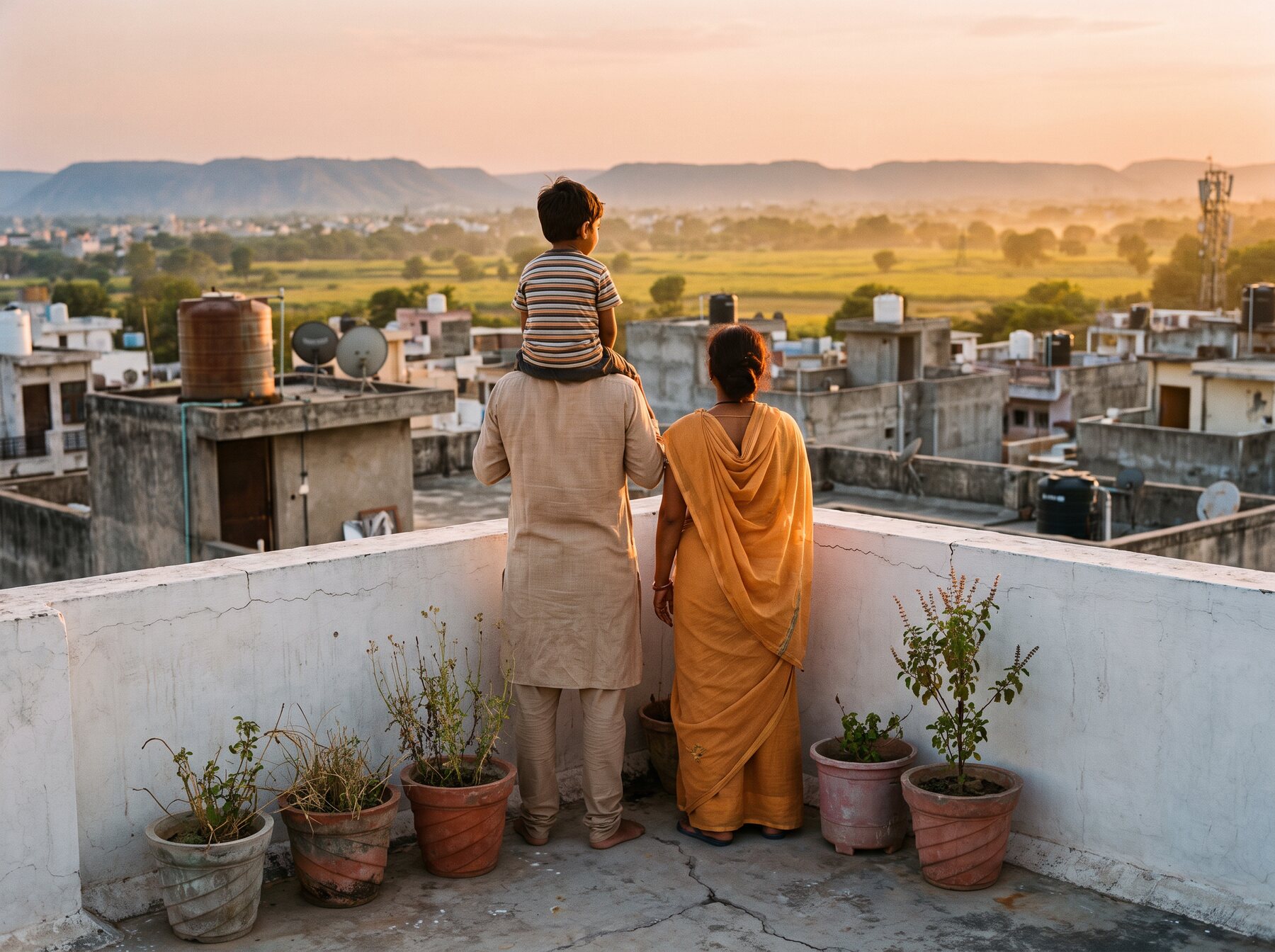
Ask a six-year-old in a big Indian city where a potato comes from and you'll hear some wonderful answers. The shop. A packet. The fridge. It isn't their fault. For most urban children today, food arrives already harvested, washed and wrapped, and the whole long story before that is invisible.
It wasn't always like this. Two or three generations ago, most Indian families had someone in the village: a grandparent with a field, an uncle with a well, a summer spent eating mangoes straight off the tree. That link to the land was part of who we were. One of the reasons we're building UGAANA is to give it back to children who've grown up without it. Not through a lecture, but through soil under their fingernails.
What children actually learn on a farm
- Time. A coriander seed takes about a week to sprout and around six weeks to harvest. A guava tree takes nearly two years to fruit, and a mango four or five. Children who see that begin to understand why food is precious.
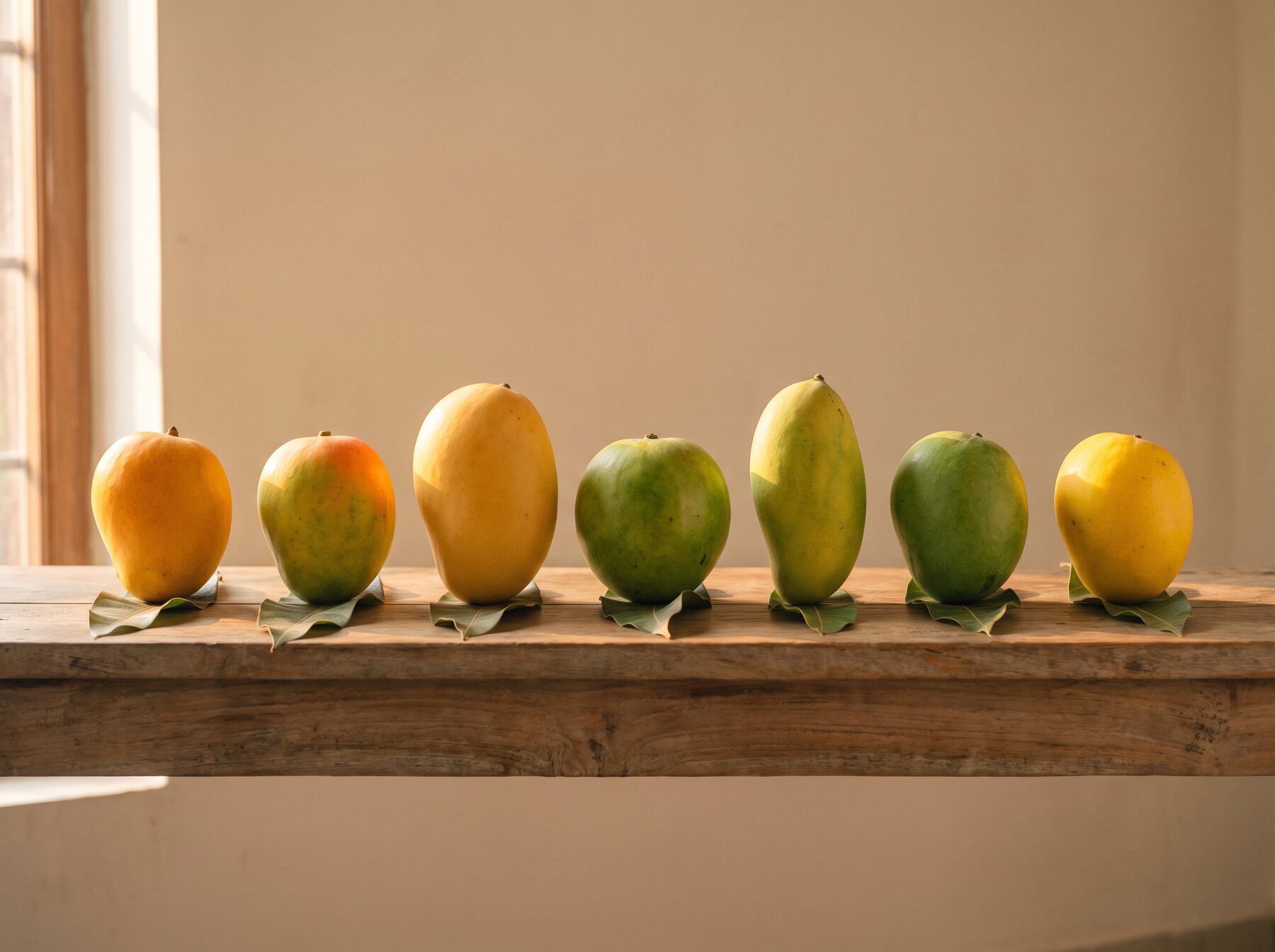
- Where things grow. Pomegranates hang from a shrubby tree. Amla ripens in winter. Black pepper climbs up shade trees in Coorg. Coffee is a red cherry long before it's a brown bean.
- Cause and effect. A bed that missed its watering wilts. Mulch keeps soil cool. A ladybird eats aphids. Science lessons with results you can see.
- Respect for the work. Children who've dug one planting pit in the sun look at a farmer differently. Farming is skilled, patient, dignified work, and seeing it done well is a lesson in itself.
- Eating. Teachers and nutrition researchers see it again and again: children who help grow a vegetable are far more willing to taste it.
What we're planning for children
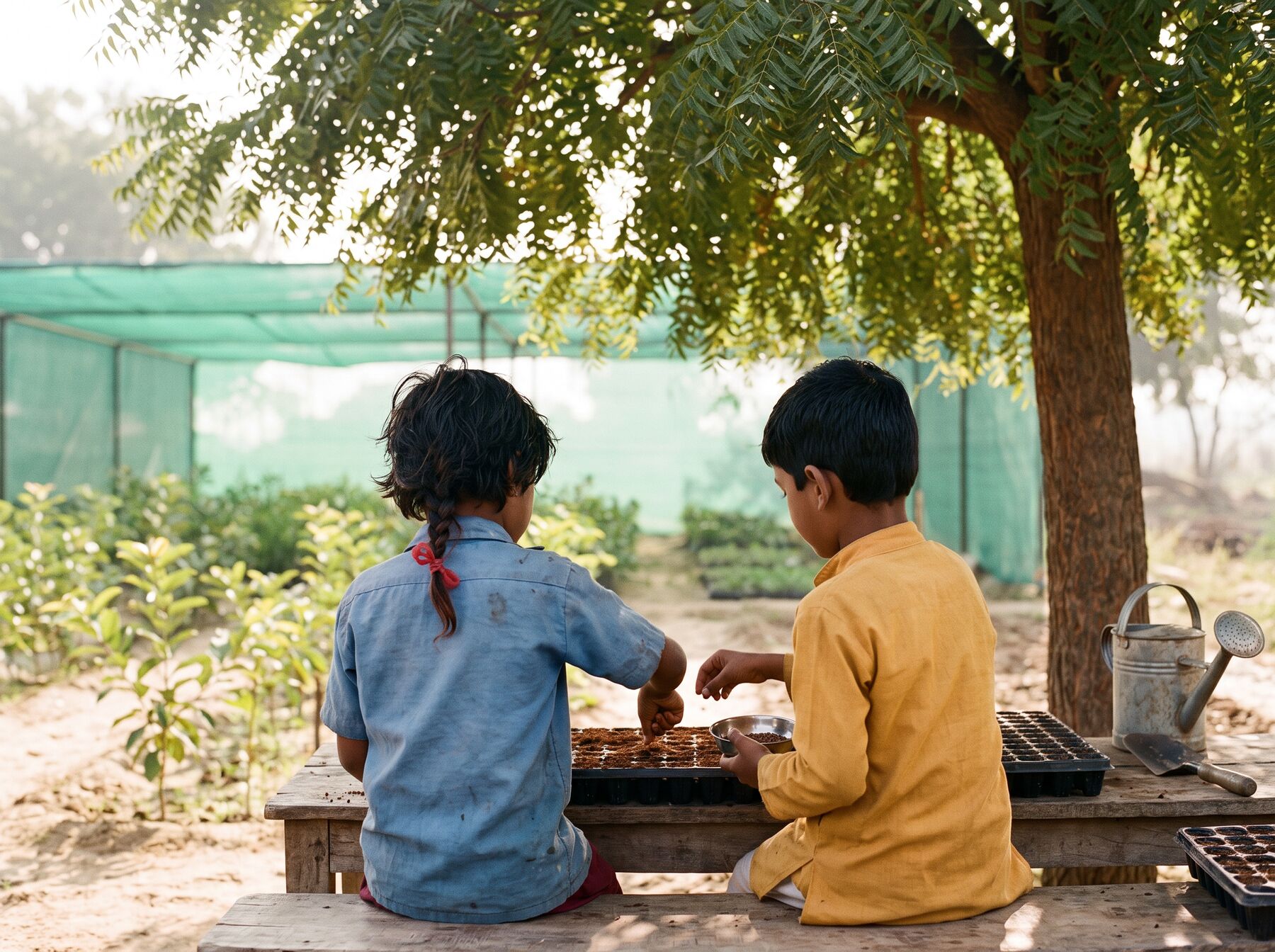
Seed workshops for ages 5 to 12. On Saturday mornings, children will sow seeds in trays, learn what a seed needs to wake up, and take a tray home for the windowsill. The first sessions are planned for October to December 2026; venue details are shared when you book. See dates.
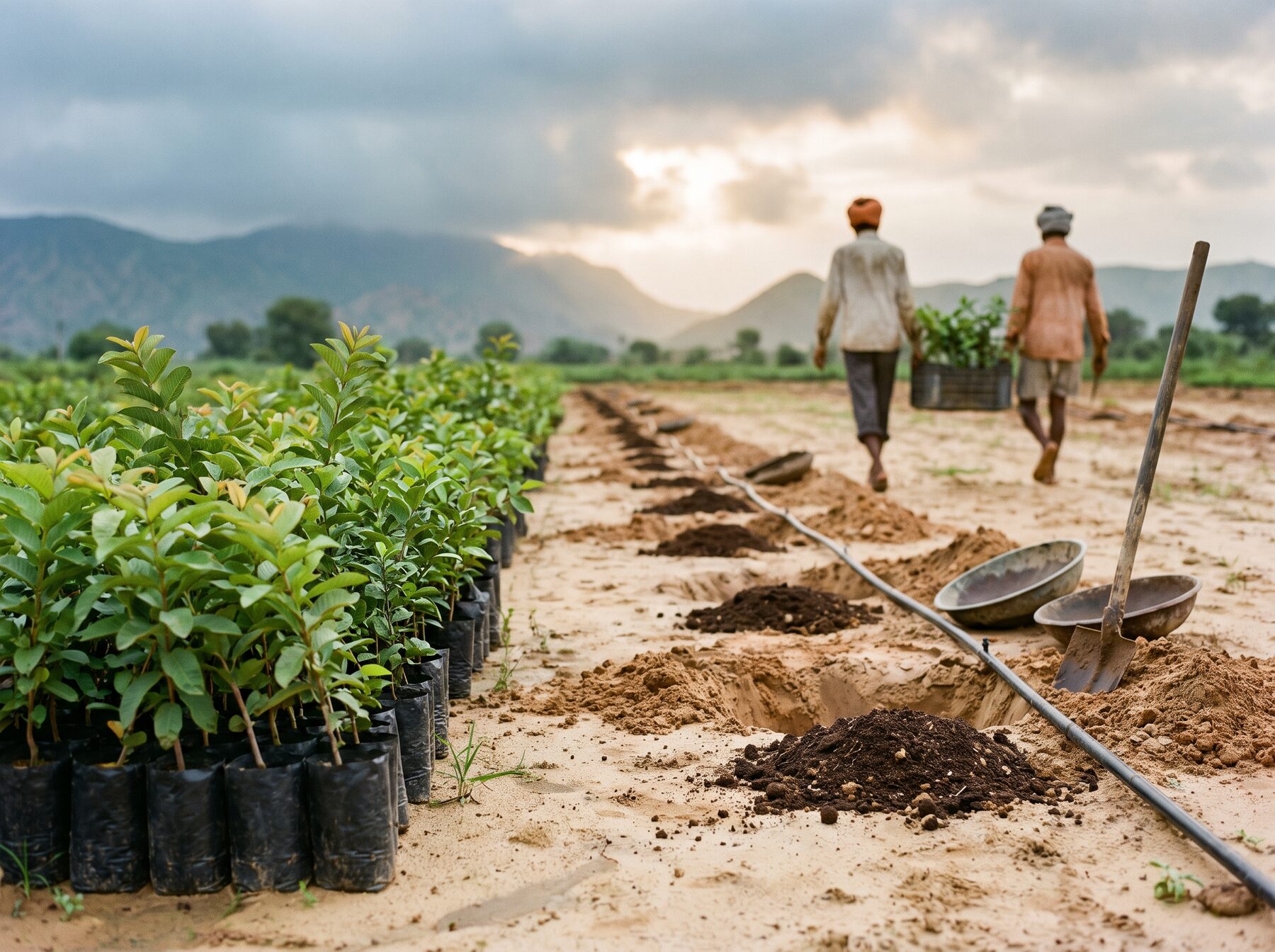
Planting day. Families who reserve Jaipur crops will be invited to plant their own saplings in February 2027, and to tie on each plant's QR tag. What planting day will look like.
The dashboard as a diary. Each plant will have its own timeline of photos, growth stages and inspection notes. A child can follow “their” guava tree from sapling to first flower to fruit, from a phone in the city, and show their grandparents.
Harvest mornings. Once crops are bearing, families will be able to come and pick in season, starting with herbs and vegetables in the first spring.
A child who has waited two years for a guava tree understands something about patience that no screen can teach.
For schools
We're also planning school visits for classes 3 to 8: a hands-on morning about soil, seeds and water, linked to what children study in environmental studies and science. Soil they can hold, seeds they can sow, and a drip line they can trace from pump to plant. Schools can ask us about dates from November 2026, and we'll shape each visit around the class.
We'd also like schools to meet the people who grow food for a living. A horticulturist explaining why a graft works, or a farm worker showing how a drip emitter is cleaned, gives children a picture of farming as skilled, modern work that India depends on, and perhaps a career some of them will one day choose.
Belonging, not just a day out
We don't want to oversell this. A few farm mornings won't turn a child into a farmer. But knowing, really knowing, that food comes from soil, water, sunlight and someone's skilled work is a quiet kind of education, and it tends to last. So does the feeling of having a place: a row of trees somewhere that is, in a small way, your family's to visit, to follow and to talk about at dinner.
If you have children and you're near Jaipur, the easiest way to start is a seed workshop or an open day. If you'd like crops of your own, you can build a family farm and include fast crops like herbs and vegetables, so there's something to harvest within weeks of planting, long before the fruit trees bear.